fijan
/ˈfi.jan/ · Gothic class-III weak-verb lemma
A Gothic class-III weak verb conventionally glossed hate or detest. Project Wulfila currently exposes 42 candidate tokens under fijan: 13 verified, eight further lexically unambiguous, and 21 explicitly ambiguous with the masculine nd-stem noun fijands, enemy. The surface inventory contains fifteen written shapes, including one exact infinitive fijan in John 7:7 and four j-less forms. Ayora Estevan shows why the overlap cannot be normalized away: Proto-Germanic had already lexicalized *fi(j)and- as enemy, while Gothic still used the matching present-participial formation for one who hates.
Lineage, to the limit of knowledge
4 steps from today back to *peh₁- (Proto-Indo-European). An asterisk marks a form reconstructed by comparison, never found written.
- Sound
- Gothic fijan continues the Germanic fi(j)- stem and class-III weak-verb formation. Written Gothic alternates j-bearing forms such as fijan and fijaiþ with j-less fiaiþ, fiais, fiandans, and fiands.
- Meaning
- The reconstructed Germanic hate verb continues as a Gothic experience verb taking the hated stimulus as an accusative object; lexicalized enemy formations remain a separate branch.
- Authority
- Guus Kroonen · Daniel Ayora Estevan · Project Wulfila editors
- Confidence
- The Gothic paradigm and branch comparison are strong; the exact Proto-Germanic vocalism and optional-j notation are reconstructed.
- Chronology
- Proto-Germanic reconstruction into the fourth-century Gothic translation tradition and surviving sixth-century manuscripts.
- context Notes on Gothic Forms — Hatan : hatjan “to hate” (Albert Morey Sturtevant, 1954), pp. 451–452, loss of j in fijan : fianTreats the Gothic j-less shapes as a historical formal development.
- supports Lemma fijan — Gothic dictionary and 42-token candidate inventory (Project Wulfila editors · Wilhelm Streitberg, 2026), Lemma fijan, class sw.V.3 and complete 42-token candidate inventorySupplies the Gothic lemma, class, written forms, and bounded corpus assignments.
- context Lemma fian — redirect and historical dictionary variant (Project Wulfila editors · Wilhelm Streitberg, 2026), Lemma fian redirects to fijanDocuments the normalized j-less variant without creating a second verb.
- supports Die gotische Bibel — Wörterbuch entries fijan, fian, and fijands (Wilhelm Streitberg, 1910), p. 34, fijan with fian variants, class and glossPublishes the historical dictionary paradigm and j-bearing/j-less forms.
- supports Etymological Dictionary of Proto-Germanic — *fi(j)ēn- and *fi(j)and- (Guus Kroonen, 2013), p. 140, *fi(j)ēn- and Germanic descendantsPublishes the Proto-Germanic reconstruction and cross-branch comparison.
- supports On the syntax of the Agent nouns in Gothic: the case of nd-formations (Daniel Ayora Estevan, 2023), pp. 47–49, fi(j)an as a Gothic experience verb and *fi(j)ēn- as its Germanic baseIndependently analyzes the verb’s predicate frame and reconstructed parent.
- Sound
- The proposed analysis connects the Germanic fi(j)- verb to a laryngeal-bearing Indo-European base through prehistoric present-stem remodeling; intermediate formal analyses vary and are not presented as written stages.
- Meaning
- A proposed harm, blame, suffering, or hostility field develops toward the Germanic verb hate, but the original semantic center is not uniquely recoverable.
- Authority
- Guus Kroonen
- Confidence
- The Proto-Germanic comparison is firmer than the displayed PIE route. The exact intermediate reconstruction and semantic unity remain analytical proposals.
- Chronology
- Proposed Proto-Indo-European base to Proto-Germanic reconstruction.
- supports Etymological Dictionary of Proto-Germanic — *fi(j)ēn- and *fi(j)and- (Guus Kroonen, 2013), p. 140, deeper etymological analysis of *fi(j)ēn-Publishes the proposed Indo-European route used here with reduced confidence.
- Sound
- No older form is promoted beyond the proposed *peh₁- comparison.
- Meaning
- The trail ends before the Gothic verb-and-enemy overlap is reverse-engineered into one universal prehistoric meaning.
- Authority
- SET-U editorial boundary · Guus Kroonen
- Confidence
- The deeper base is already proposed; no earlier node is treated as secure.
- supports Etymological Dictionary of Proto-Germanic — *fi(j)ēn- and *fi(j)and- (Guus Kroonen, 2013), p. 140, deepest published comparison used in this dossierSupports stopping after the qualified PIE proposal rather than inventing an earlier node.
Relatives
| Form | Language | Relation | Source |
|---|---|---|---|
| fian | Gothic | the normalized j-less variant redirected to fijan; no separate verb is asserted | Lemma fian — redirect and historical dictionary variant |
| fiaiþ | Gothic | the directly inspected j-less third-person singular in John 12:25 | Gothic Bible word analysis — John 12:25, fiaiþ |
| fijandans | Gothic | the Romans 11:28 accusative-plural participle analyzed as verbal | Gothic Bible word analysis — Romans 11:28, fijandans |
| fiandans | Gothic | the Romans 12:9 j-less participle whose accusative object exposes verbal syntax | Gothic Bible word analysis — Romans 12:9, fiandans |
| fijands | Gothic | the masculine nd-stem enemy noun sharing 21 candidate tokens with the verb inventory | Lemma fijands — Gothic enemy noun and 26-token candidate inventory |
| *fi(j)and- | Proto-Germanic | the lexicalized present-participial enemy formation derived from the hate verb | On the syntax of the Agent nouns in Gothic: the case of nd-formations |
| fēond | Old English | a Germanic enemy noun continuing the lexicalized nd-formation | On the syntax of the Agent nouns in Gothic: the case of nd-formations |
| fjandi | Old Norse | a Germanic enemy noun continuing the lexicalized nd-formation | On the syntax of the Agent nouns in Gothic: the case of nd-formations |
| fēogan | Old English | a West Germanic descendant of the reconstructed hate verb | Etymological Dictionary of Proto-Germanic — *fi(j)ēn- and *fi(j)and- |
| fīēn | Old High German | a High German descendant of the reconstructed hate verb | Etymological Dictionary of Proto-Germanic — *fi(j)ēn- and *fi(j)and- |
| fjá | Old Norse | a North Germanic descendant of the reconstructed hate verb | Etymological Dictionary of Proto-Germanic — *fi(j)ēn- and *fi(j)and- |
| hatan | Gothic | the other class-III hate verb that trades translation roles with fijan in Luke | Notes on Gothic Forms — Hatan : hatjan “to hate” |
| hatjan | Gothic | the class-I hate verb in the wider Gothic paradigm and analogy problem | Notes on Gothic Forms — Hatan : hatjan “to hate” |
| frijōn | Gothic | the love verb discussed as a formal and semantic counterpart in the j-loss analysis | Notes on Gothic Forms — Hatan : hatjan “to hate” |
Journey
- Proto-Indo-European linguistic horizon · proposed *peh₁- comparisonA deeper harm, blame, suffering, or hate comparison is published, but the precise formal route and original semantic center remain proposed.
- Proto-Germanic linguistic horizon · *fi(j)ēn- and lexicalized *fi(j)and-The verb was inherited across Germanic, while the present-participial enemy formation had already lexicalized before Gothic according to the cross-branch noun parallels.
- Fourth-century Gothic translation tradition · fijan and fijands translation systemThe surviving corpus reflects a translation tradition in which the verb, productive participle, and inherited enemy noun overlap. The 42-token inventory does not equal all Gothic usage.
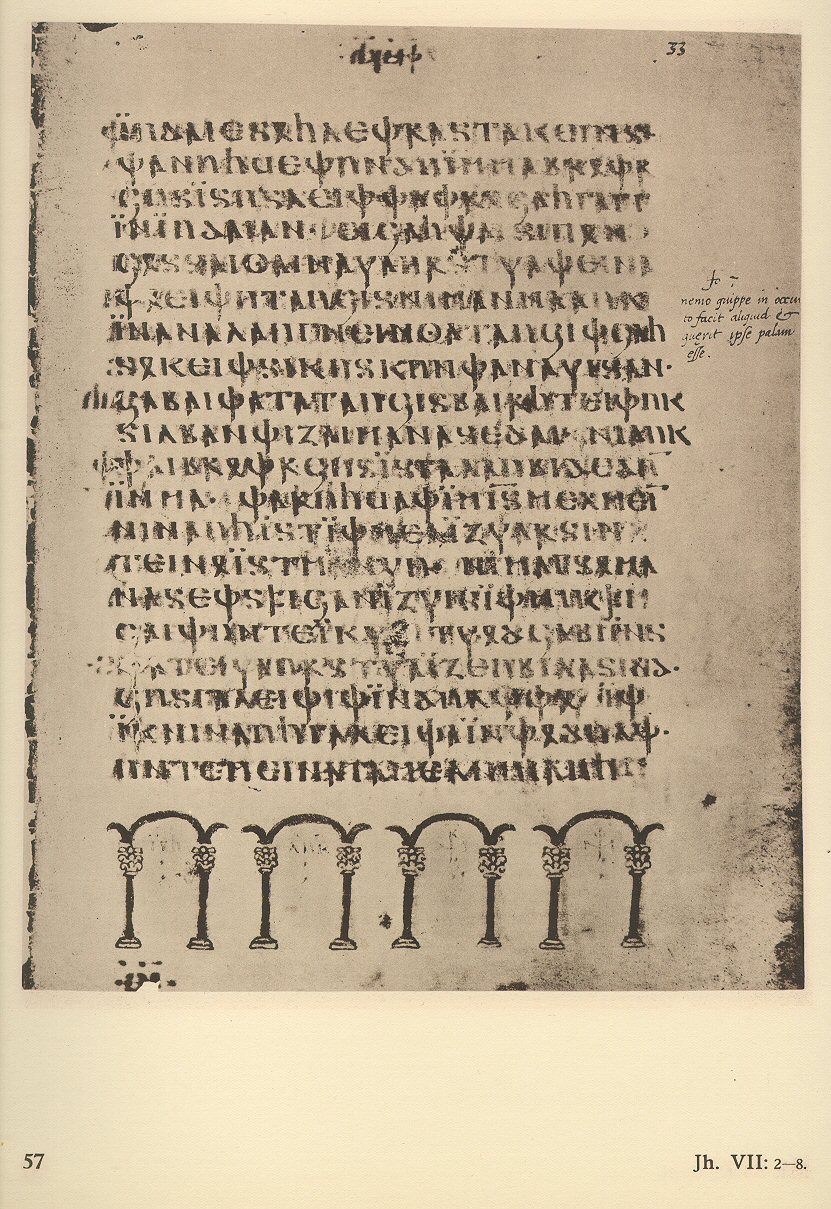
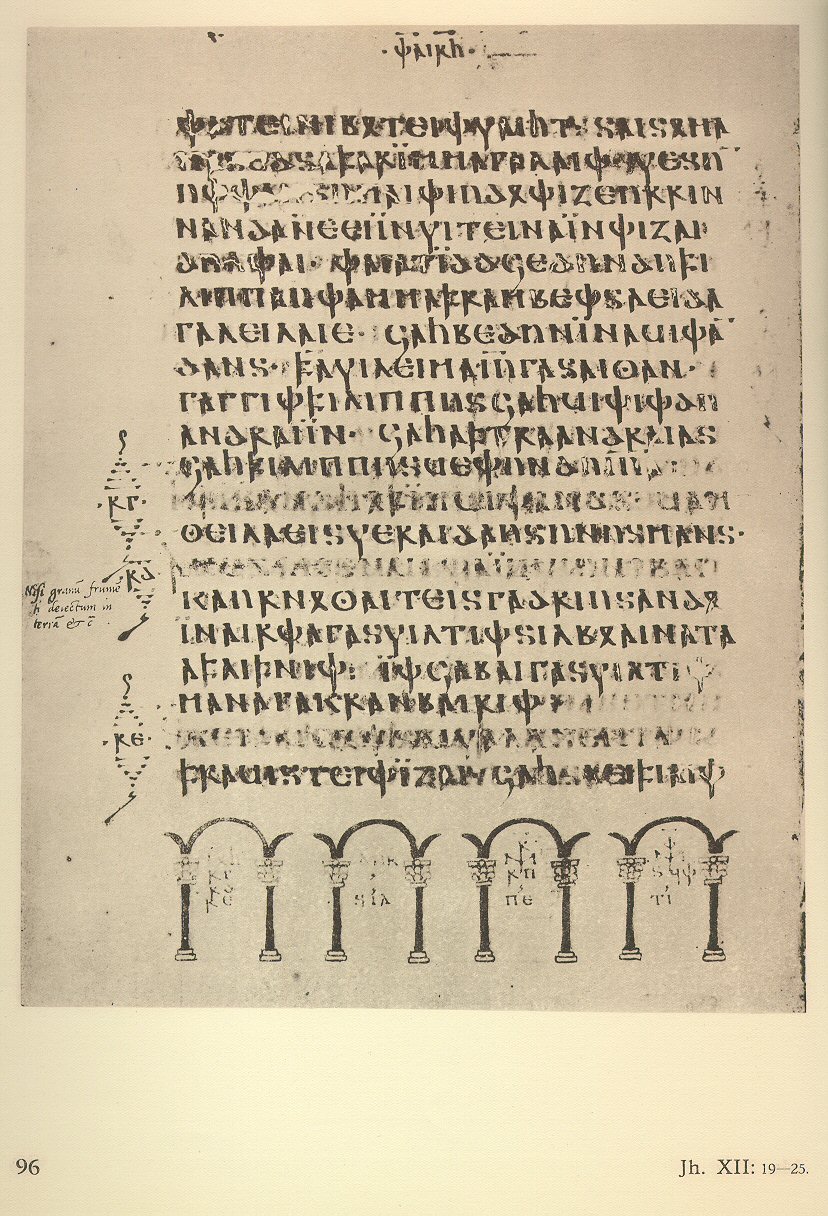
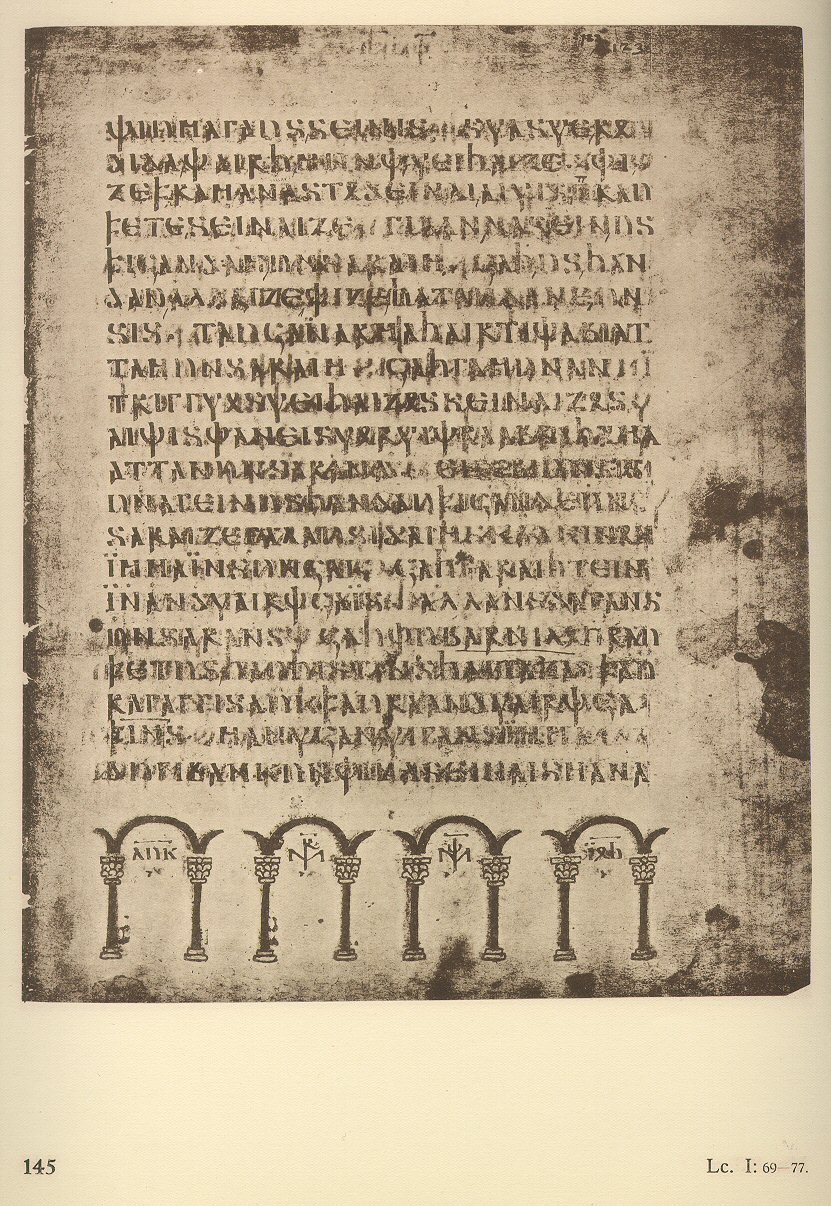
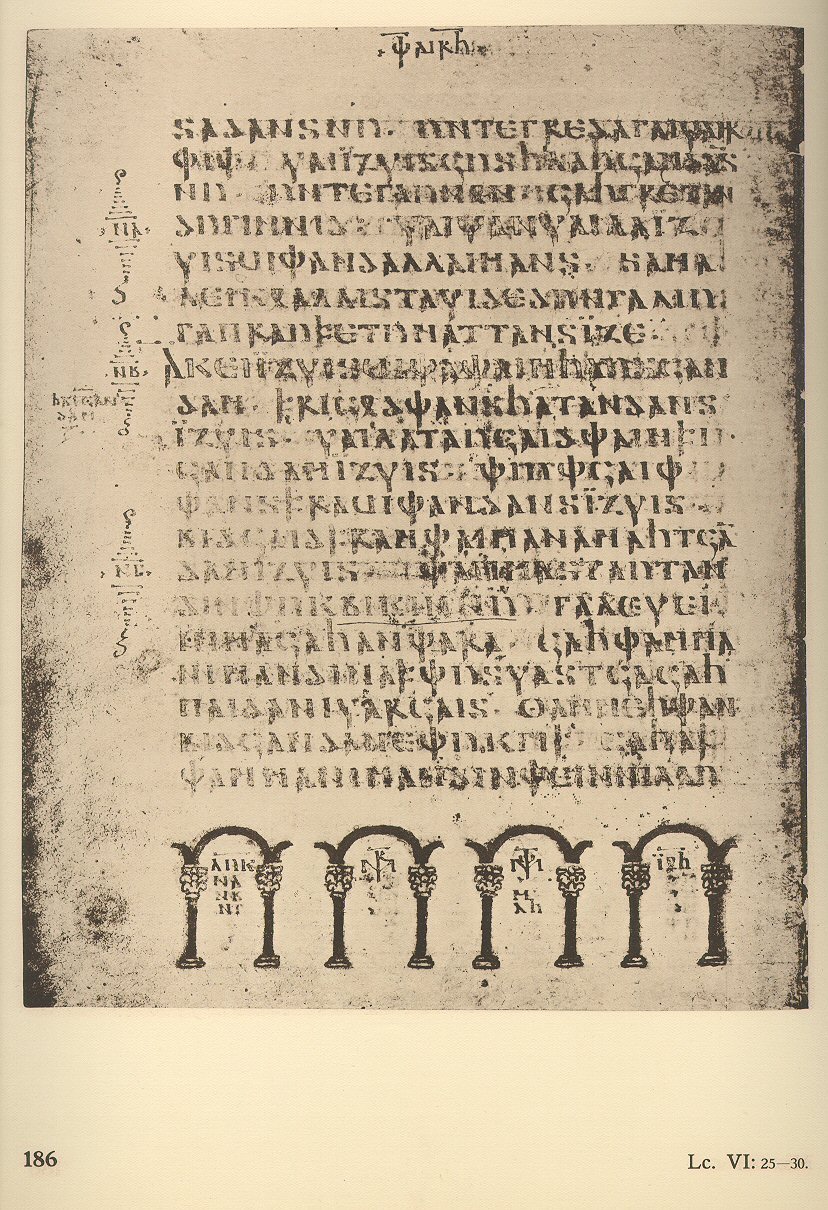
- Ravenna · early-sixth-century Codex Argenteus witnessesFour directly inspected tokens occur in the probable Ravenna codex: infinitive fijan on fol. 33r, j-less fiaiþ on fol. 76v, and ambiguous fijandam on fols. 123r and 143v.
- Werden, Ruhr district · sixteenth-century Codex Argenteus custodyThe directly inspected codex was known at a Benedictine monastery in Werden. This is evidence-object custody, not word diffusion.
- Prague · imperial custody by 1600 to 1648The codex was in Emperor Rudolph II’s Prague collection by 1600 and was taken by Swedish forces in 1648.
- Stockholm · Swedish royal custody after 1648The codex entered Queen Christina’s library before passing to Isaac Vossius.
- Holland custody · Isaac Vossius and acquisition by De la GardieVossius took the manuscript to Holland; Magnus Gabriel De la Gardie later acquired it.
- Uppsala University Library · custody since 1669De la Gardie presented the codex to Uppsala University. Facsimiles expose four inspected tokens while Project Wulfila aligns the wider corpus.
- Knowledge boundary · beyond the proposed Indo-European comparisonNo single enemy, hater, harm, blame, suffering, hostility, or feeling origin is promoted beyond the qualified route.
Disputes
Does the surviving corpus contain 42 secure verb tokens?
No. Project Wulfila exposes 42 candidates under fijan, but only 13 are verified, eight more are lexically unambiguous but unverified, and 21 are explicitly shared with the fijands noun inventory.
resolved · confidence: established · Every total is labeled candidate inventory, and the 21-token overlap remains visible.
- supports Lemma fijan — Gothic dictionary and 42-token candidate inventory (Project Wulfila editors · Wilhelm Streitberg, 2026), Occurrence inventory: 13 verified, eight unambiguous, 21 ambiguousDefines the 42 candidates and their status partition.
- supports Lemma fijands — Gothic enemy noun and 26-token candidate inventory (Project Wulfila editors · Wilhelm Streitberg, 2026), Occurrence inventory: five noun-only and 21 shared candidatesConfirms that 21 surface tokens are also candidates under fijands.
Is the infinitive fijan itself written?
Yes, once in the current inventory: John 7:7 writes fijan. The other 41 candidates are inflected forms, and fian is a normalized variant redirect rather than a separately inventoried exact infinitive token.
resolved · confidence: established · The dossier distinguishes the one written infinitive from the lemma and spelling variants.
- supports Codex Argenteus facsimile 57 — folio 33r, John 7:2–8 (Uppsala University Library · Project Codex Argenteus Online, 1927), Folio 33r, line containing fijanProvides the directly inspected manuscript object.
- supports Gothic Bible word analysis — John 7:7, fijan and fijaiþ (Project Wulfila editors · Wilhelm Streitberg, 2026), John 7:7, token fijan and linked facsimileIdentifies the exact written infinitive in the corpus.
Are fijan and fian separate Gothic verbs?
No separate lexeme is supported, but the formal history remains analytical. Project Wulfila redirects fian to fijan, Streitberg groups j-bearing and j-less forms, and Sturtevant discusses loss of j in the sequence.
open · confidence: probable
- supports Notes on Gothic Forms — Hatan : hatjan “to hate” (Albert Morey Sturtevant, 1954), pp. 451–452, loss of j in fijan : fianPublishes the historical formal analysis.
- supports Lemma fian — redirect and historical dictionary variant (Project Wulfila editors · Wilhelm Streitberg, 2026), Lemma fian: See fijanRejects a separate current corpus lexeme.
- supports Die gotische Bibel — Wörterbuch entries fijan, fian, and fijands (Wilhelm Streitberg, 1910), p. 34, fijan with fian variantsGroups the forms in one historical dictionary entry.
Is fijands an ordinary participle or a lexical noun meaning enemy?
Both categories exist historically and synchronically. Ayora Estevan derives the noun from a Proto-Germanic lexicalized present participle, then shows Gothic still using fi(j)ands as the productive participle one who hates. Token-level syntax and inflection sometimes distinguish them; many surface forms do not.
open · confidence: probable
- supports On the syntax of the Agent nouns in Gothic: the case of nd-formations (Daniel Ayora Estevan, 2023), pp. 47–49, lexicalized enemy noun and productive present participlePublishes both categories and their different syntax.
- context Lemma fijands — Gothic enemy noun and 26-token candidate inventory (Project Wulfila editors · Wilhelm Streitberg, 2026), Lemma fijands, masculine nd-stemSupplies the synchronic noun entry and overlap inventory.
Can the nd-ending alone distinguish enemy from one who hates?
No. Galatians 4:16 nominative fijands functions as the noun enemy, Romans 11:28 accusative fijandans is analyzed as a participle, and Romans 12:9 fiandans takes an accusative object. Twenty-one other corpus tokens remain explicitly lexically and morphosyntactically ambiguous.
open · confidence: probable
- supports Lemma fijan — Gothic dictionary and 42-token candidate inventory (Project Wulfila editors · Wilhelm Streitberg, 2026), Twenty-one not-verified and ambiguous fijand- candidatesDefines the unresolved residue after contextual analysis.
- supports On the syntax of the Agent nouns in Gothic: the case of nd-formations (Daniel Ayora Estevan, 2023), pp. 48–49, Galatians 4:16, Romans 11:28, and Romans 12:9 diagnosticsShows how case and complementation disambiguate some tokens.
Does fijan map one-to-one to Greek miseō, hate?
No. Verbal contexts commonly translate Greek miseō, but the shared fijand- formation also corresponds to Greek echthros, enemy. Luke 1:71 and Luke 6:27 even reverse the constructional work done by fijan and hatan.
resolved · confidence: established · The dossier records contextual equivalents and token ambiguity instead of a one-to-one lexicon.
- supports Gothic Bible word analysis — Luke 6:27, hatandans (Project Wulfila editors · Wilhelm Streitberg, 2026), Luke 6:27, fijandam aligned with Greek those hatingDocuments the reversed contextual mapping.
- supports Gothic Bible word analysis — Luke 1:71, hatandane (Project Wulfila editors · Wilhelm Streitberg, 2026), Luke 1:71, fijandam aligned with Greek enemiesDocuments one contextual mapping.
Did fijan denote only an inward feeling?
No. Ayora Estevan analyzes it as an experience verb whose Experiencer takes a Stimulus as accusative object. Surviving objects include people, one’s soul, one’s flesh, evils, and what one does, so the grammar encodes a relation toward an object rather than a free-floating feeling alone.
resolved · confidence: established · The semantic history records the predicate frame without claiming that every context shares one modern psychological model.
- supports On the syntax of the Agent nouns in Gothic: the case of nd-formations (Daniel Ayora Estevan, 2023), pp. 48–49, experience-verb predicate frame and object inventoryFormalizes Experiencer and accusative Stimulus across the surviving verbal evidence.
- context Gothic Bible word analysis — John 12:25, fiaiþ (Project Wulfila editors · Wilhelm Streitberg, 2026), John 12:25, fiaiþ with saiwala seinaSupplies the directly inspected soul-as-object example.
- context Gothic Bible word analysis — Romans 12:9, fiandans (Project Wulfila editors · Wilhelm Streitberg, 2026), Romans 12:9, fiandans with ubilaSupplies the evils-as-object participial example.
Was the enemy noun lexicalized only inside Gothic?
No. Ayora Estevan argues for pre-Gothic, Proto-Germanic lexicalization because Old Norse, Faroese, Old English, Old Frisian, Old Dutch, and Old High German preserve parallel enemy nouns.
resolved · confidence: probable · The graph places *fi(j)and- at the Proto-Germanic level and keeps the Gothic noun as its descendant.
- supports Etymological Dictionary of Proto-Germanic — *fi(j)ēn- and *fi(j)and- (Guus Kroonen, 2013), p. 140, *fi(j)and- and descendantsIndependently publishes the Germanic formation.
- supports On the syntax of the Agent nouns in Gothic: the case of nd-formations (Daniel Ayora Estevan, 2023), p. 47 note 24, inherited enemy-noun parallels across GermanicSupports Proto-Germanic rather than Gothic-only lexicalization.
Do 42 candidate tokens measure spoken Gothic frequency?
No. They measure a bounded, fragmentary textual corpus with duplicate manuscript witnesses, biblical translation effects, and unresolved lemma assignments.
resolved · confidence: established · The interface never calls the total all historical uses or a speech-frequency sample.
- supports Lemma fijan — Gothic dictionary and 42-token candidate inventory (Project Wulfila editors · Wilhelm Streitberg, 2026), Bounded 42-token candidate inventory and verification statusesDefines the surviving corpus measure.
- context Archivum Gothicum: Edition of the Gothic Sources, Volume 1 (Carla Falluomini · Pierandrea Gottardi, 2026), Gothic source and manuscript inventoryDocuments the fragmentary survival base.
Does the Codex Argenteus route map the spread of fijan?
No. Werden, Prague, Stockholm, Holland, and Uppsala trace custody of four inspected evidence objects long after Gothic ceased to be a living vernacular in those places.
resolved · confidence: established · Every post-Ravenna journey stage is labeled object custody rather than lexical diffusion.
- supports The history of Codex argenteus (Uppsala University Library, 2026), Codex argenteus’ journeyDocuments the post-copying custody route.
- context Codex Argenteus facsimile 186 — folio 143v, Luke 6:25–30 (Uppsala University Library · Project Codex Argenteus Online, 1927), Folio 143v facsimileIdentifies the fourth inspected object inside that route.
- context Codex Argenteus facsimile 145 — folio 123r, Luke 1:69–77 (Uppsala University Library · Project Codex Argenteus Online, 1927), Folio 123r facsimileIdentifies the third inspected object inside that route.
- context Codex Argenteus facsimile 57 — folio 33r, John 7:2–8 (Uppsala University Library · Project Codex Argenteus Online, 1927), Folio 33r facsimileIdentifies one inspected object inside that route.
- context Codex Argenteus facsimile 96 — folio 76v, John 12:19–25 (Uppsala University Library · Project Codex Argenteus Online, 1927), Folio 76v facsimileIdentifies a second inspected object inside that route.
Does fijan securely descend from *peh₁-?
Only as a proposal. The Germanic *fi(j)ēn- comparison is stronger than the deeper route; the exact intermediate morphology and semantic unity of harm, blame, suffering, and hate remain reconstructive.
open · confidence: proposed
- supports Etymological Dictionary of Proto-Germanic — *fi(j)ēn- and *fi(j)and- (Guus Kroonen, 2013), p. 140, deeper reconstruction of *fi(j)ēn-Publishes the proposed route while leaving it reconstructive.
Are fijan and hatan perfect synonyms?
They overlap, but the surviving corpus does not prove identity. In Luke 1 fijandam supplies enemies and hatandane those hating; in Luke 6 hatandans supplies enemies and fijandam those hating. Sturtevant uses their association in a formal argument without proving interchangeable semantics everywhere.
open · confidence: probable
- supports Gothic Bible word analysis — Luke 6:27, hatandans (Project Wulfila editors · Wilhelm Streitberg, 2026), Luke 6:27, hatandans for enemies and fijandam for those hatingDocuments the reversed assignment.
- supports Gothic Bible word analysis — Luke 1:71, hatandane (Project Wulfila editors · Wilhelm Streitberg, 2026), Luke 1:71, fijandam for enemies and hatandane for those hatingDocuments one constructional assignment.
- context Notes on Gothic Forms — Hatan : hatjan “to hate” (Albert Morey Sturtevant, 1954), p. 452, semantic association of fijan and hatanUses overlap in a morphological argument without proving universal synonymy.
Witnesses
- Gothic manuscript corpus, date not normalized Codex Ambrosianus A, Romans 7:15, Romans 7:15 [A], token fija
source-reported“fija”lexical_corpus_record · Lemma fijan — Gothic dictionary and 42-token candidate inventory
- Gothic manuscript corpus, date not normalized Codex Ambrosianus A, Romans 9:13, Romans 9:13 [A], token fijaida
source-reported“fijaida”lexical_corpus_record · Lemma fijan — Gothic dictionary and 42-token candidate inventory
- Gothic manuscript corpus, date not normalized Codex Ambrosianus A, Romans 11:28, Romans 11:28 [A], token fijandans
source-reported“fijandans”lexical_corpus_record · Gothic Bible word analysis — Romans 11:28, fijandans
- Gothic manuscript corpus, date not normalized Codex Ambrosianus A, Romans 12:9, Romans 12:9 [A], token fiandans
source-reported“fiandans”lexical_corpus_record · Gothic Bible word analysis — Romans 12:9, fiandans
- Gothic manuscript corpus, date not normalized Codex Ambrosianus A, Ephesians 5:29, Ephesians 5:29 [A], token fijaida
source-reported“fijaida”lexical_corpus_record · Lemma fijan — Gothic dictionary and 42-token candidate inventory
- Gothic manuscript corpus, date not normalized Codex Ambrosianus A, Romans 8:7, Romans 8:7 [A], token fijands
source-reported“fijands”lexical_corpus_record · Lemma fijan — Gothic dictionary and 42-token candidate inventory
- Gothic manuscript corpus, date not normalized Codex Ambrosianus A, Romans 12:20, Romans 12:20 [A], token fijand
source-reported“fijand”lexical_corpus_record · Lemma fijan — Gothic dictionary and 42-token candidate inventory
- Gothic manuscript corpus, date not normalized Codex Carolinus, Romans 12:20, Romans 12:20 [Car], token fijand
source-reported“fijand”lexical_corpus_record · Lemma fijan — Gothic dictionary and 42-token candidate inventory
- Gothic manuscript corpus, date not normalized Codex Ambrosianus A, 1 Corinthians 15:25, 1 Corinthians 15:25 [A], token fijands
source-reported“fijands”lexical_corpus_record · Lemma fijan — Gothic dictionary and 42-token candidate inventory
- Gothic manuscript corpus, date not normalized Codex Ambrosianus A, 1 Corinthians 15:26, 1 Corinthians 15:26 [A], token fijands
source-reported“fijands”lexical_corpus_record · Lemma fijan — Gothic dictionary and 42-token candidate inventory
- Gothic manuscript corpus, date not normalized Codex Ambrosianus A, Galatians 4:16, Galatians 4:16 [A], token fijands
source-reported“fijands”lexical_corpus_record · Gothic Bible word analysis — Galatians 4:16, fijands
- Gothic manuscript corpus, date not normalized Codex Ambrosianus A, Philippians 3:18, Philippians 3:18 [A], token fijands
source-reported“fijands”lexical_corpus_record · Lemma fijan — Gothic dictionary and 42-token candidate inventory
- Gothic manuscript corpus, date not normalized Codex Ambrosianus B, Philippians 3:18, Philippians 3:18 [B], token fijands
source-reported“fijands”lexical_corpus_record · Lemma fijan — Gothic dictionary and 42-token candidate inventory
- Gothic manuscript corpus, date not normalized Codex Ambrosianus A, Colossians 1:21, Colossians 1:21 [A], token fijands
source-reported“fijands”lexical_corpus_record · Lemma fijan — Gothic dictionary and 42-token candidate inventory
- Gothic manuscript corpus, date not normalized Codex Ambrosianus B, Colossians 1:21, Colossians 1:21 [B], token fijands
source-reported“fijands”lexical_corpus_record · Lemma fijan — Gothic dictionary and 42-token candidate inventory
- Gothic manuscript corpus, date not normalized Codex Ambrosianus A, 2 Thessalonians 3:15, 2 Thessalonians 3:15 [A], token fijand
source-reported“fijand”lexical_corpus_record · Lemma fijan — Gothic dictionary and 42-token candidate inventory
- Gothic manuscript corpus, date not normalized Codex Ambrosianus B, 2 Thessalonians 3:15, 2 Thessalonians 3:15 [B], token fijand
source-reported“fijand”lexical_corpus_record · Lemma fijan — Gothic dictionary and 42-token candidate inventory
- Gothic manuscript corpus, date not normalized Codex Ambrosianus D, Nehemiah 6:16, Nehemiah 6:16 [D], token fiands
source-reported“fiands”lexical_corpus_record · Lemma fijan — Gothic dictionary and 42-token candidate inventory
- early 6th-century witness, source-reported Codex Argenteus, Matthew 5:43, Matthew 5:43 [CA], token fiais
source-reported“fiais”lexical_corpus_record · Gothic Bible word analysis — Matthew 5:43, fiais and fiand
- early 6th-century witness, source-reported Codex Argenteus, Matthew 6:24, Matthew 6:24 [CA], token fijaiþ
source-reported“fijaiþ”lexical_corpus_record · Lemma fijan — Gothic dictionary and 42-token candidate inventory
- early 6th century Codex Argenteus, John 7:7, DG 1, fol. 33r; facsimile 57; John 7:7; line containing “ni mag so manaseþs fijan izwis”
directly inspected“ni mag so manaseþs fijan izwis, iþ mik fijaiþ”manuscript · Uppsala University Library · DG 1, fol. 33r · facsimile · Codex Argenteus facsimile 57 — folio 33r, John 7:2–8
- early 6th-century witness, source-reported Codex Argenteus, John 7:7, John 7:7 [CA], second token fijaiþ
source-reported“fijaiþ”lexical_corpus_record · Lemma fijan — Gothic dictionary and 42-token candidate inventory
- early 6th century Codex Argenteus, John 12:25, DG 1, fol. 76v; facsimile 96; John 12:25; line containing “saei fiaiþ saiwala seina”
directly inspected“saei fiaiþ saiwala seina in þamma fairƕau”manuscript · Uppsala University Library · DG 1, fol. 76v · facsimile · Codex Argenteus facsimile 96 — folio 76v, John 12:19–25
- early 6th-century witness, source-reported Codex Argenteus, John 15:18, John 15:18 [CA], token fijai
source-reported“fijai”lexical_corpus_record · Lemma fijan — Gothic dictionary and 42-token candidate inventory
- early 6th-century witness, source-reported Codex Argenteus, John 15:18, John 15:18 [CA], token fijaida
source-reported“fijaida”lexical_corpus_record · Lemma fijan — Gothic dictionary and 42-token candidate inventory
- early 6th-century witness, source-reported Codex Argenteus, John 15:19, John 15:19 [CA], token fijaid
source-reported“fijaid”lexical_corpus_record · Lemma fijan — Gothic dictionary and 42-token candidate inventory
- early 6th-century witness, source-reported Codex Argenteus, John 15:23, John 15:23 [CA], first token fijaiþ
source-reported“fijaiþ”lexical_corpus_record · Lemma fijan — Gothic dictionary and 42-token candidate inventory
- early 6th-century witness, source-reported Codex Argenteus, John 15:23, John 15:23 [CA], second token fijaiþ
source-reported“fijaiþ”lexical_corpus_record · Lemma fijan — Gothic dictionary and 42-token candidate inventory
- early 6th-century witness, source-reported Codex Argenteus, John 15:24, John 15:24 [CA], token fijaidedun
source-reported“fijaidedun”lexical_corpus_record · Lemma fijan — Gothic dictionary and 42-token candidate inventory
- early 6th-century witness, source-reported Codex Argenteus, John 15:25, John 15:25 [CA], token fijaidedun
source-reported“fijaidedun”lexical_corpus_record · Lemma fijan — Gothic dictionary and 42-token candidate inventory
- early 6th-century witness, source-reported Codex Argenteus, John 17:14, John 17:14 [CA], token fijaida
source-reported“fijaida”lexical_corpus_record · Lemma fijan — Gothic dictionary and 42-token candidate inventory
- early 6th-century witness, source-reported Codex Argenteus, Luke 14:26, Luke 14:26 [CA], token fijaiþ
source-reported“fijaiþ”lexical_corpus_record · Lemma fijan — Gothic dictionary and 42-token candidate inventory
- early 6th-century witness, source-reported Codex Argenteus, Luke 16:13, Luke 16:13 [CA], token fijaiþ
source-reported“fijaiþ”lexical_corpus_record · Lemma fijan — Gothic dictionary and 42-token candidate inventory
- early 6th-century witness, source-reported Codex Argenteus, Luke 19:14, Luke 19:14 [CA], token fijaidedun
source-reported“fijaidedun”lexical_corpus_record · Lemma fijan — Gothic dictionary and 42-token candidate inventory
- early 6th century Codex Argenteus, Luke 1:71, DG 1, fol. 123r; facsimile 145; Luke 1:71; line containing “us fijandam unsaraim”
directly inspected“giban nasein us fijandam unsaraim jah us handau allaize þize hatandane unsis”manuscript · Uppsala University Library · DG 1, fol. 123r · facsimile · Codex Argenteus facsimile 145 — folio 123r, Luke 1:69–77
- early 6th-century witness, source-reported Codex Argenteus, Luke 6:22, Luke 6:22 [CA], token fijand
source-reported“fijand”lexical_corpus_record · Gothic Bible word analysis — Luke 6:22, fijand
- early 6th century Codex Argenteus, Luke 6:27, DG 1, fol. 143v; facsimile 186; Luke 6:27; line containing “þaim fijandam izwis”
directly inspected“frijod þans hatandans izwis; waila taujaid þaim fijandam izwis”manuscript · Uppsala University Library · DG 1, fol. 143v · facsimile · Codex Argenteus facsimile 186 — folio 143v, Luke 6:25–30
- early 6th-century witness, source-reported Codex Argenteus, Luke 6:35, Luke 6:35 [CA], token fijands
source-reported“fijands”lexical_corpus_record · Lemma fijan — Gothic dictionary and 42-token candidate inventory
- early 6th-century witness, source-reported Codex Argenteus, Luke 19:27, Luke 19:27 [CA], token fijands
source-reported“fijands”lexical_corpus_record · Lemma fijan — Gothic dictionary and 42-token candidate inventory
- early 6th-century witness, source-reported Codex Argenteus, Luke 19:43, Luke 19:43 [CA], token fijands
source-reported“fijands”lexical_corpus_record · Lemma fijan — Gothic dictionary and 42-token candidate inventory
- early 6th-century witness, source-reported Codex Argenteus, Luke 20:43, Luke 20:43 [CA], token fijands
source-reported“fijands”lexical_corpus_record · Lemma fijan — Gothic dictionary and 42-token candidate inventory
- early 6th-century witness, source-reported Codex Argenteus, Mark 12:36, Mark 12:36 [CA], token fijands
source-reported“fijands”lexical_corpus_record · Lemma fijan — Gothic dictionary and 42-token candidate inventory
Data for this word: every dataset (JSON, CSV, SQLite).