liufs
/liufs/ · adjective
The normalized Gothic adjective meaning dear or beloved, preserved through inflected manuscript forms including liuba and liubans.
Lineage, to the limit of knowledge
4 steps from today back to *lewbʰ- (Proto-Indo-European). An asterisk marks a form reconstructed by comparison, never found written.
liufs
“dear, beloved”
The pronunciation is a broad normalized reading, not a recording. This citation form represents a manuscript-attested lexeme; Project Wulfila lists 33 inflected occurrences including liuba, liuban, liubans, liubin, and liubai.
↑ inheritance · probable
- Sound
- Proto-Germanic *eu is reflected as Gothic iu; the stem-final fricative appears as f in the normalized nominative liufs and as b in manuscript inflections such as liuba and liubans.
- Meaning
- The sense dear or beloved remains stable in the surviving biblical uses.
- Authority
- Guus Kroonen · Wilhelm Streitberg · Project Wulfila editors
- Confidence
- The inflectional alternation is manuscript-attested; the Proto-Germanic parent and phonological staging are reconstructed.
- Chronology
- Proto-Germanic prehistory to the fourth-century Gothic translation tradition and early-sixth-century manuscript.
- context Etymological Dictionary of Proto-Germanic (Guus Kroonen, 2013), s.v. *leubaz, Gothic liufsSupplies the reconstructed Germanic parent of the Gothic adjective.
- supports Lemma *liufs — Gothic dictionary (Project Wulfila editors; Wilhelm Streitberg, 2026), Lemma *liufs; occurrences liuba, liuban, liubans, liubin, liubaiDocuments the normalized lemma and 33 manuscript-linked inflected occurrences.
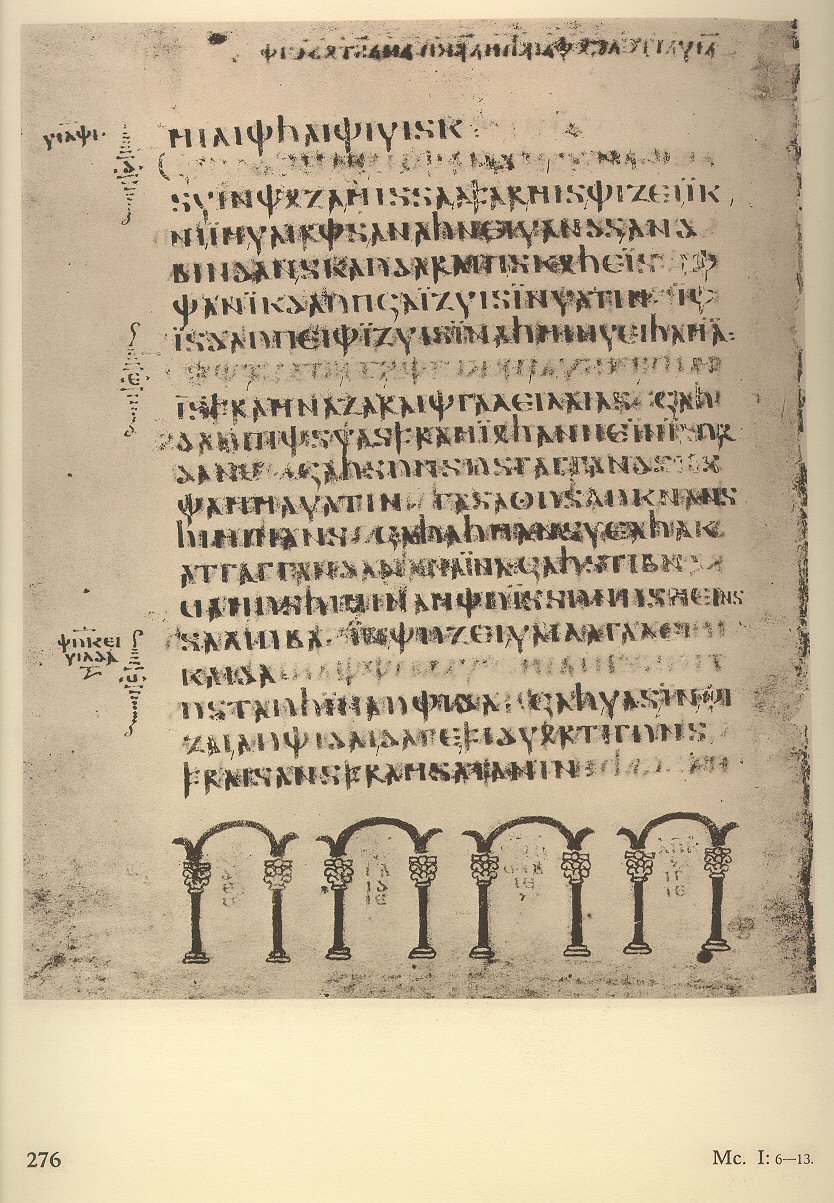
- supports Gothic Bible word analysis — Mark 1:11 (Project Wulfila editors; Wilhelm Streitberg, 2026), Mark 1:11, token liuba; Streitberg 1910 p. 85Links an actual Codex Argenteus token to the liufs lexeme and displays the f/b stem alternation.
*leubaz
“dear, beloved, pleasing”
Shared canonical adjective reconstruction with Dutch lief.
↑ inheritance · probable
- Sound
- Proto-Germanic *leubaz continues the *lewbʰ- family with Germanic *b corresponding to Indo-European *bʰ and adjective-stem formation.
- Meaning
- A broad field of caring, desiring, and loving develops the adjective sense dear, beloved, or pleasing.
- Authority
- Guus Kroonen · University of Texas LRC
- Confidence
- The cross-branch comparison is strong, while both parent forms are reconstructed.
- Chronology
- Proto-Indo-European to Proto-Germanic prehistory.
- supports Etymological Dictionary of Proto-Germanic (Guus Kroonen, 2013), s.v. *leubaz and the Germanic love familyProvides the reconstructed Germanic adjective and comparative reflexes.
- supports Indo-European Lexicon: *leubh- (Linguistics Research Center), Pokorny etymon leubh- and Indo-European reflex tablePlaces the Germanic adjective within the wider reconstructed desire-and-care family.
*lewbʰ-
“to care for, desire, love”
Shared canonical desire-and-care root with love, Liebe, and lief.
↑ knowledge_boundary · boundary
- Sound
- No older form is promoted beyond the reviewed *lewbʰ- reconstruction.
- Meaning
- The Gothic adjective history reaches the current secure evidence horizon.
- Authority
- SET-U editorial boundary
- Confidence
- The boundary keeps the attested Gothic lexeme separate from unknown deeper prehistory.
- context Indo-European Lexicon: *leubh- (Linguistics Research Center), Emotion 16.27, reconstructed root leubh-Defines the reviewed reconstruction at which the dossier stops.
UNKNOWN
“No securely reviewed ancestor beyond the reconstructed desire-and-care root.”
The manuscript record and the reconstructed prehistory remain visibly separate.
Relatives
| Form | Language | Relation | Source |
|---|---|---|---|
| lief | Dutch | West Germanic adjective cognate | Franck’s Etymologisch Woordenboek der Nederlandsche Taal — liefhebben, liefde, lief |
| lieb | German | West Germanic adjective cognate | lieb — Rechtschreibung, Bedeutung, Definition, Herkunft |
| love | English | distant noun cousin through the shared desire-and-care root | Etymological Dictionary of Proto-Germanic |
Journey
- Indo-European linguistic horizon · Proto-Indo-European reconstructionThe Gothic adjective ultimately reaches reconstructed *lewbʰ- through comparative evidence.
- Proto-Germanic linguistic horizon · Germanic adjective *leubazThe East and West Germanic adjective reflexes support a shared reconstructed parent.
- Gothic biblical translation tradition · 4th-century translationThe Gothic gospel translation belongs to the fourth century, although the surviving Codex Argenteus was copied later.
- Ravenna · early-6th-century Codex ArgenteusThe manuscript preserving Mark 1:11 liuba was probably copied in Ravenna at the beginning of the sixth century.
Disputes
Does the asterisk in Project Wulfila’s lemma *liufs mean Gothic itself is reconstructed?
No. Project Wulfila links the normalized lemma to 33 inflected occurrences in surviving Gothic manuscripts. The citation form is inferred, while the lexeme and its inflections are attested.
resolved · confidence: established · SET-U stores liufs as an attested lexical headword, discloses the normalized citation-form issue, and reserves reconstructed status for Proto-Germanic *leubaz and PIE *lewbʰ-.
- supports Lemma *liufs — Gothic dictionary (Project Wulfila editors; Wilhelm Streitberg, 2026), Lemma *liufs; 33 listed occurrencesShows that the normalized starred lemma is backed by multiple inflected manuscript tokens.
- supports Gothic Bible word analysis — Mark 1:11 (Project Wulfila editors; Wilhelm Streitberg, 2026), Mark 1:11, token liuba; Codex Argenteus fol. 57vLinks one inflected token to an exact biblical location and manuscript folio.
- context The history of Codex argenteus (Uppsala University Library, 2026), The four gospels in the Gothic languageConfirms that Gothic is preserved in an early-sixth-century manuscript of a fourth-century translation.
Witnesses
- early 6th century Codex Argenteus, Mark 1:11, Codex Argenteus DG 1, fol. 57v, facsimile 276, Mark 1:11, line containing “sa liuba”
directly inspected“þu is sunus meins sa liuba”manuscript · Uppsala University Library · DG 1, fol. 57v · facsimile · Codex Argenteus facsimile 276 — folio 57v, Mark 1:6–13
Data for this word: every dataset (JSON, CSV, SQLite).